
Saint-Germain-des-Prés: The Highlights in One Stroll
- 01/05/2026
- In Paris, In Paris, In Paris, In Paris
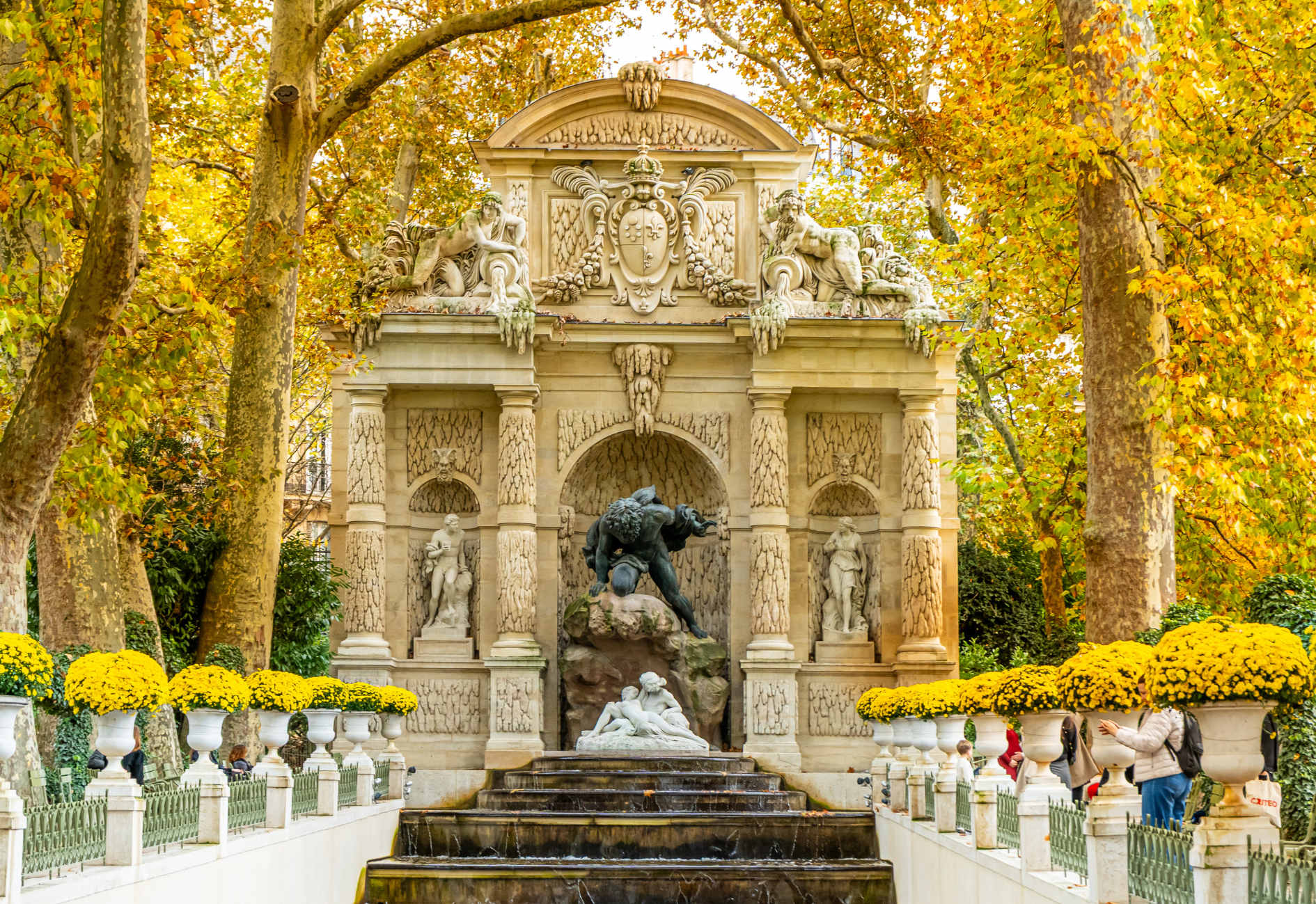
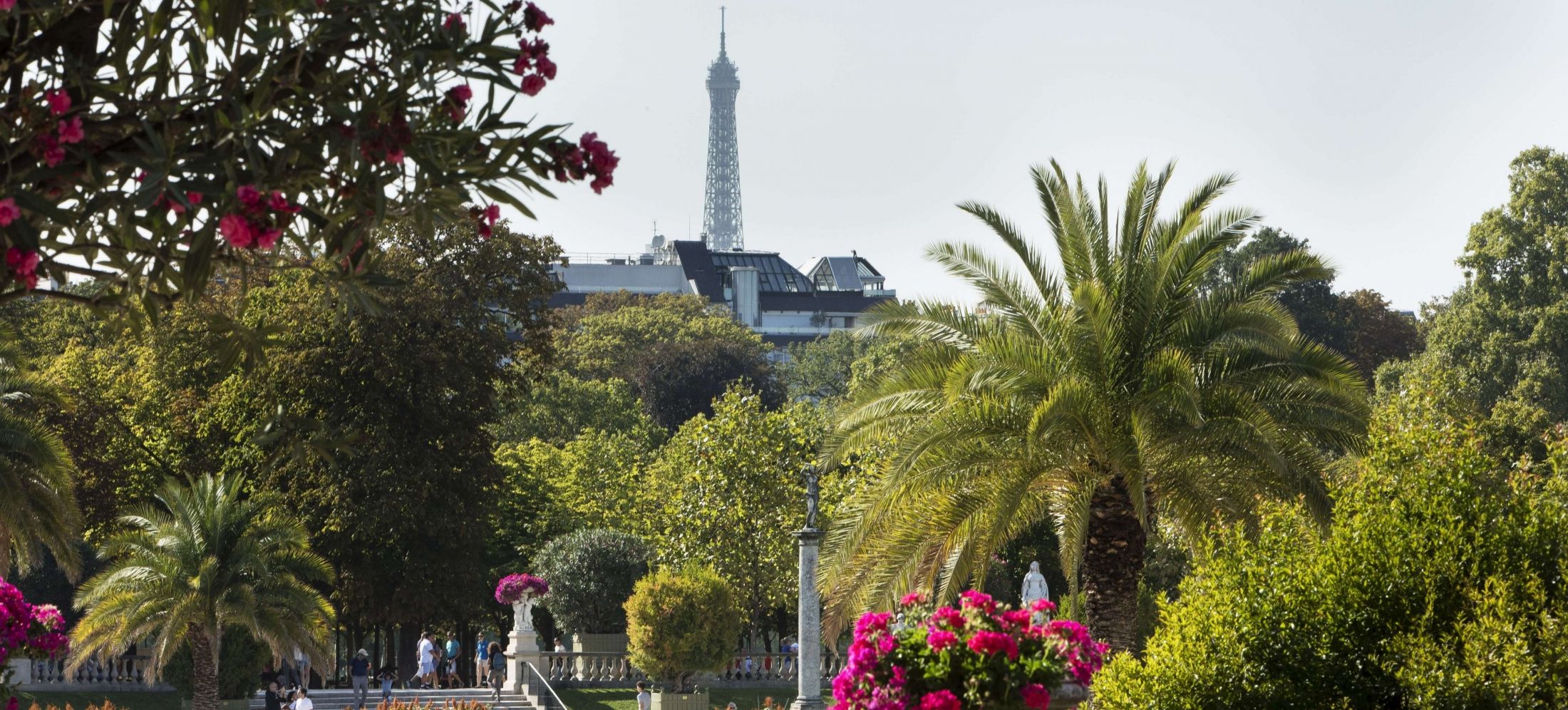
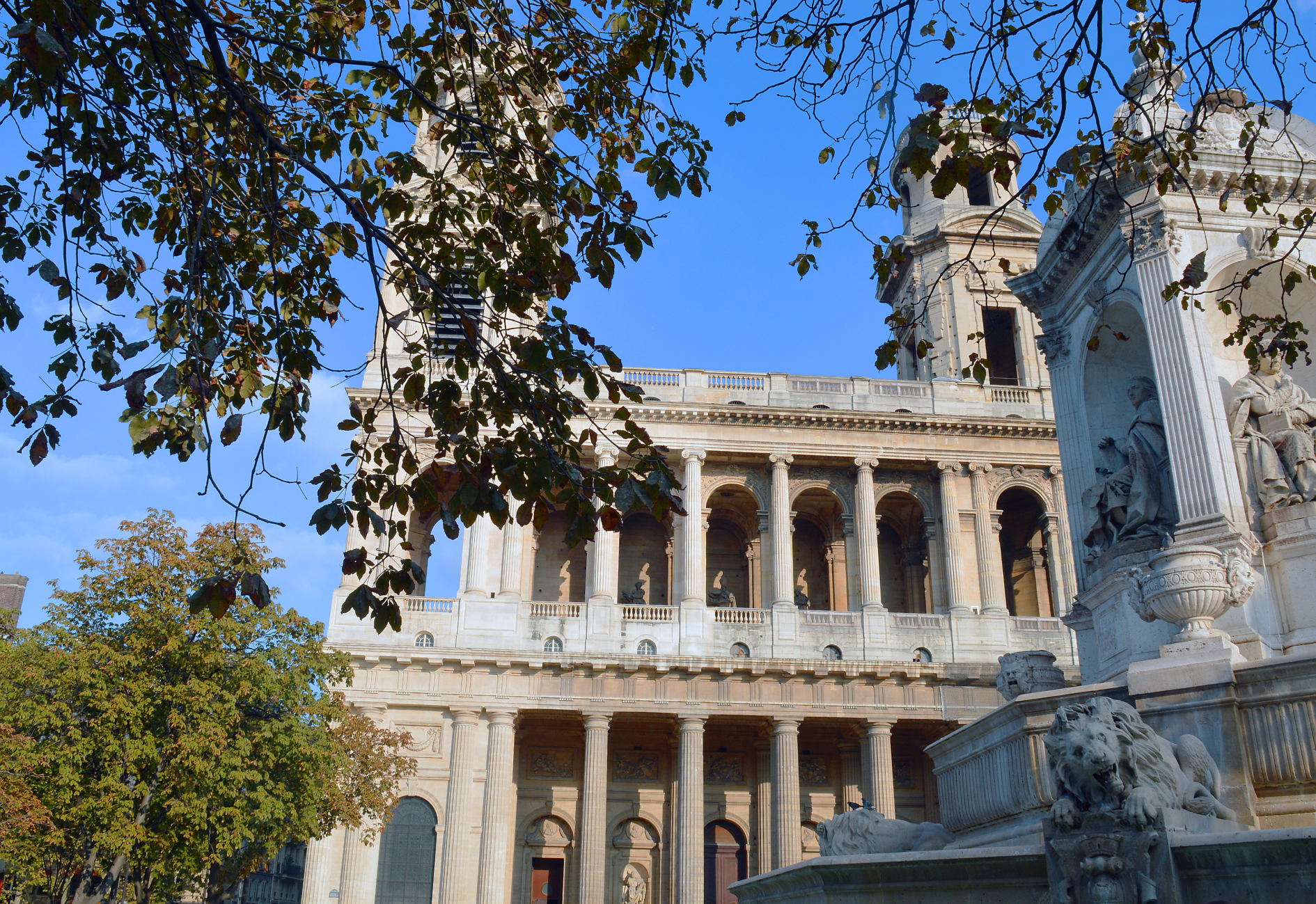
In the collective imagination, Paris’s Left Bank is seen as the epicenter of intellectual life, knowledge, and the Parisian artistic avant-garde. And in France, ideas, art, and literature are never discussed better than over a drink and a good meal: in Saint-Germain-des-Prés, it is in the literary cafés, restaurants, and brasseries that the French spirit lives on…We invite you on a stroll through an exceptional heritage where monuments and iconic sites bear witness to a glorious past: at a few must-visit spots, immerse yourself in the history of Saint-Germain-des-Prés during your stay in Paris at the Hôtel Le Littré.The Church of Saint-Germain-des-Prés, the oldest in ParisFounded in the 6th century, the Church of Saint-Germain-des-Prés, the former burial ground of the Merovingian kings, is also the oldest church in the capital. Destroyed and then rebuilt in the 10th century, its architecture bears witness to this history: its nave, painted a deep starry blue, is one of the last vestiges of Romanesque art in Paris, while the 12th-century choir is in the early Gothic style. The church is a gem with its brightly colored painted decorations.Note: Guided tours are available on the first Saturday and third Sunday of the month (except in July and August). Located at 3, Place de Saint-Germain-des-Prés, it is just a few minutes from the Hôtel Le Littré via Metro Line 4.Saint-Sulpice Church: A Majestic Architectural TreasureSaint-Sulpice Church is the most significant religious building in Paris after Notre-Dame Cathedral. Its eclectic architecture reflects the many alterations made throughout its construction: while the façade is characterized by the 17th-century Jesuit style, the Neo-Renaissance fountain in the forecourt dates from the 19th century.You will be impressed by its high vaulted ceiling, whose simplicity contrasts with the richness of the paintings and works of art in the chapels. The beautiful pulpit and the imposing grand organ are particularly noteworthy.Another detail catches the eye: the gnomon. Composed of a small window in a stained-glass panel and a brass band marking the meridian embedded in the floor and on the obelisk, this astronomical instrument measures the sun’s movement: four markings indicate the equinoxes and solstices throughout the year, allowing for the precise determination of the date of Easter in the spring.The Institut de France: A Temple of KnowledgeLocated on Quai Conti, the Institut de France is home to the five academies dedicated to advancing the arts, sciences, and humanities, including the Académie Française, founded by Richelieu in 1635. Beneath the iconic dome on the Left Bank, the Institute, operating with complete independence, upholds excellence, supports creativity and innovation, while informing the decisions of those in power.Inspired by Italian Baroque, the building’s quarter-circle wings—designed at Mazarin’s request—frame the chapel, which is crowned by a majestic oval dome. Behind the facades of this temple of knowledge lies the Mazarine Library, France’s oldest public library. The dome and main courtyard are open to visitors on Saturdays.The Seine for Romantics : The Pont des ArtsAlthough it’s no longer possible to attach a padlock to Paris’s most romantic pedestrian bridge, the Pont des Arts remains a favorite spot for lovers visiting Paris and amateur photographers alike.Suspended between the Left Bank and the Right Bank, take the time to admire the panoramic view of the Île de la Cité, Notre-Dame Cathedral, the Musée d’Orsay, the Institut de France, and the Pont Neuf. At sunset, the Seine and the Louvre offer a dazzling spectacle.The Monnaie de Paris, an art and industrial workshop in ParisFounded in the 9th century and established in the 18th century on the site of the former Conti Palace, the Monnaie de Paris is tasked with producing the national currency, official decorations and medals, as well as iconic works of art. It was here that the medals for the first modern Olympic Games were created, followed by those for the 1924 Paris Games and the 2024 Paris Olympic Games.At the Hôtel de la Monnaie, the ancestral know-how of metalworking—elevated to the status of artistic craftsmanship—lives on. Take the time to admire the impeccable symmetry of the main courtyard. After a tour of the museum, which offers a glimpse into the workshops of Paris’s last active factory, you’ll have the opportunity to treat yourself to a unique souvenir at the gift shop.The Eugène Delacroix National Museum: A Gem in the Heart of ParisAt 6 Rue Fürstenberg, you enter Eugène Delacroix’s apartment-museum. This apartment, located near the Church of Saint-Sulpice—where the master worked (in the Chapel of the Holy Angels)—also served as his studio. Today, the museum welcomes visitors to explore the romantic painter’s works, writings, and everyday objects. The Delacroix Museum is open every day except Tuesday. You’ll discover a charming garden there—a rare find in Paris.The Odéon – Théâtre de l’Europe: A Hub of the Avant-GardeSince 1782, the imposing columned façade of the Odéon – Théâtre de l’Europe has stood as a bold example of Neoclassicism on Place de l’Odéon. Inaugurated by Marie Antoinette, the semicircular auditorium—a perfect example of an Italian-style theater—was long the home of the Comédie-Française.It was the setting for the premiere of The Marriage of Figaro (1784) and Sarah Bernhardt’s debut (1869). Having survived two fires (1799 and 1918), it became, in 1971, one of France’s six national theaters—an iconic venue for the performing arts with a rich and eclectic program.Nature and the Renaissance: The Luxembourg Garden and PalaceBuilt for Marie de’ Medici, Queen of France and Navarre, widow of Henry IV and mother of Louis XIII, the Luxembourg Palace is now the seat of the Senate.Inspired by the Italian Renaissance, the Luxembourg Palace opens its windows onto the Luxembourg Garden, a wonderful oasis of nature.From the beautiful French-style perspective around the large pond to the winding, tree-lined paths of an English garden, take a stroll to discover the garden’s hidden treasures: sculptures and statues, the monumental Medici Fountain, as well as the apiaries and orchards that bring biodiversity to life in the heart of Paris.Take the time to visit an exhibition at the Musée du Luxembourg. Two annual exhibitions are typically held there, focusing on themes such as 20th-century modernity, women artists, and photography. Discover the exhibition Soulages: Another Light (September 2025 to January 2026).The École nationale supérieure des Beaux-Arts (ENSBA): the school for artistsLocated on Rue Bonaparte, the École nationale supérieure des Beaux-Arts is dedicated to the study of the arts (painting, sculpture, printmaking) and remains a training ground for future artists. Located between the Louvre and the Musée d’Orsay, the school’s extensive complex of buildings and courtyards spans nearly two hectares, centered around the Palais des Études, recognizable by its majestic metal glass roof. Take advantage of exhibitions, lectures, or Heritage Days in September to explore this unique venue.A recommended itinerary starting from the Hôtel Le LittréAfter a hearty breakfast at the Hôtel Le Littré, take Line 4 to Saint-Germain-des-Prés. After visiting the Church of Saint-Germain, continue on to Saint-Sulpice. Your steps will naturally lead you to the Eugène Delacroix Museum. Back on Boulevard Saint-Germain, take a break at one of the famous literary cafés (Brasserie Lipp, Café de Flore, or Les Deux Magots).Head to the Institut de France via Rue de Seine. Quai Conti, the Hôtel de la Monnaie, and the Pont des Arts offer sweeping views of the river and Parisian landmarks! On Rue Bonaparte, walk past the ENSBA before heading back toward the Odéon district. You’ll then enjoy the tranquility of the Luxembourg Gardens.Create your own custom itinerary: the proximity of points of interest and various metro lines (lines 4, 6, 12, and 13) allows you to enjoy all of Saint-Germain-des-Prés in a single day without having to rush. For example, you can spend your morning visiting churches and museums, then take the afternoon to stroll between the Luxembourg Gardens and the Pont des Arts and enjoy the beauty of a sunset over the Seine.The Saint-Germain-des-Prés neighborhood immerses you in a unique cultural and architectural heritage. Here, you’ll experience the laid-back lifestyle of the Left Bank, with its charming boutiques and iconic bookstores, and immerse yourself in the French culture and spirit celebrated by literary restaurants and cafés, before returning to the comfort and tranquility of your room at the Le Littré hotel. Book your room with a view of the Eiffel Tower for an exceptional stay!